The demo looked incredible. The deployment killed the project.
There’s a new phrase circulating in tech circles, and it’s starting to show up in boardrooms, strategy decks and client briefs.
VIBE CODING
If you’ve heard it and wondered what it actually means — or if you’ve had a team member excitedly demo something they “vibe coded over the weekend” — this article is for you.
The short version: vibe coding is genuinely exciting, and it genuinely has limits. Understanding both is the difference between using AI to accelerate your business and inadvertently building on sand. In this article, you’ll discover exactly what separates vibe coding from production-ready software, and why that distinction matters more than most people realise.
What is vibe coding?
The phrase was coined by AI researcher Andrej Karpathy in early 2025, and it describes something that was previously unthinkable: building working software by describing what you want in plain language, letting an AI generate the code, and iterating from there.
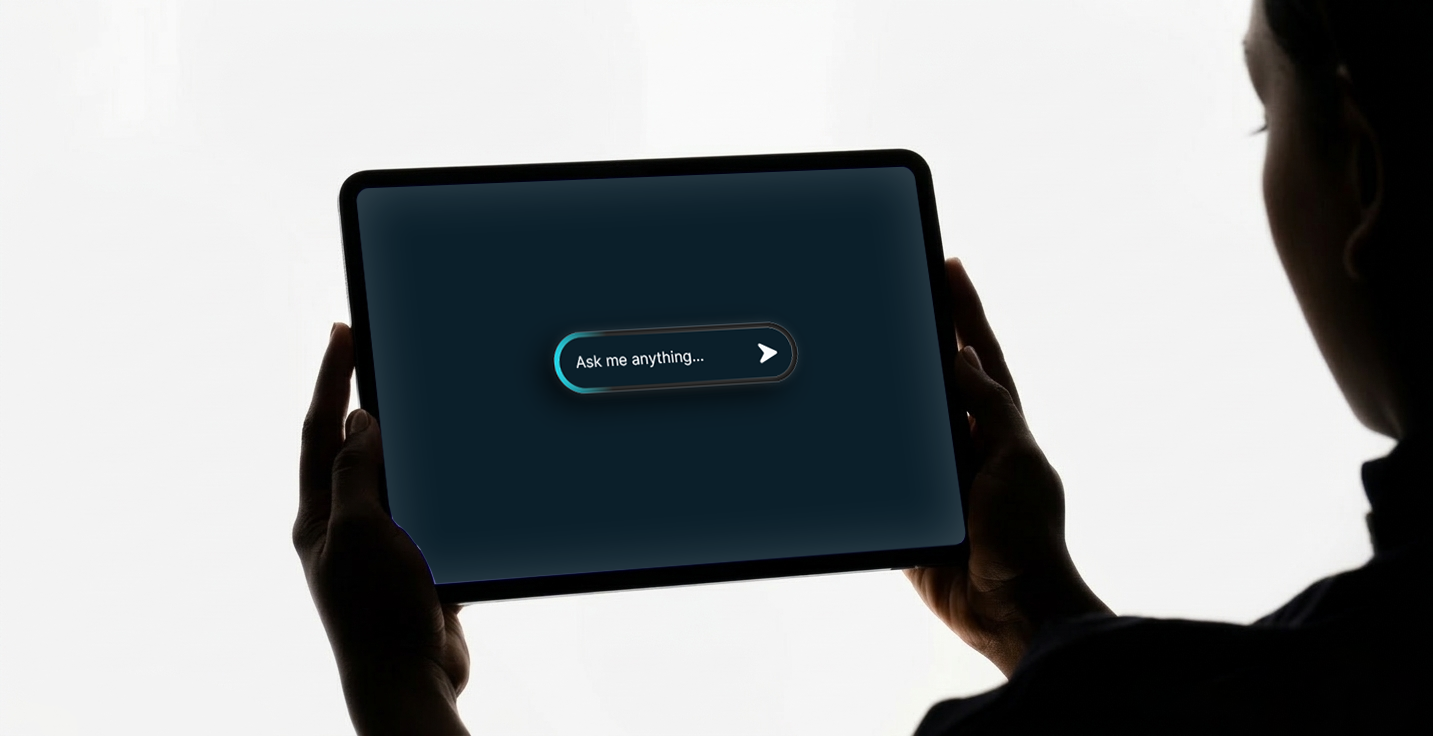
No computer science degree required. No development team on standby. You describe a portal, a dashboard or a workflow tool — and within minutes, something that looks and behaves like that idea appears on screen.
For non-technical founders, product managers and business leaders, this feels like a superpower. Ideas that used to require months of planning, hiring and budget approval can now be sketched in an afternoon. The feedback loop between concept and working prototype has collapsed from weeks to hours.
That’s real. That’s not hype.
Why vibe coding feels like a breakthrough
To understand why vibe coding has captured so much attention, you have to appreciate how painful the alternative has always been.
Traditionally, turning a business idea into working software meant translating that idea – imperfectly – into a requirements document, handing it to a development team, waiting weeks for a first build, discovering the team built something subtly different to what you imagined, and then spending more weeks correcting the gap. By the time something tangible existed, the original insight had often gone stale.
Vibe coding collapses that loop. Stakeholders can see something real, react to it, and redirect early — before weeks of expensive development have locked in the wrong direction. For exploration, for proof-of-concept work, for getting alignment in a room full of people with different mental models of what “the platform” should be, it’s remarkably effective.
The energy it creates is real too. There’s something that shifts in a meeting when people stop arguing about a spec and start reacting to an actual thing. Decisions get made faster. Enthusiasm builds. That’s not nothing.
Where vibe-coded software hits the wall
Here’s the part that doesn’t make it into the enthusiastic LinkedIn posts.
Vibe coding produces something that looks like software. It doesn’t automatically produce something that is software, in the sense that your business can depend on it, deploy it to real users, integrate it with your existing systems, or put it in front of a regulator.
The gap between “working prototype” and “production-ready platform” is where most of the real cost in software development lives. Vibe coding doesn’t eliminate that gap. In many cases, it makes it harder to see until you’ve already committed to a direction.
Five things vibe coding doesn’t solve:
- Security and access control — who can see what isn’t a feature you add later; it shapes how the entire system is built
- Scalable data — a prototype handles twenty test rows; real software handles five hundred simultaneous users entering unpredictable data
- System integration — your business runs on a CRM, ERP, and APIs that a vibe-coded prototype knows nothing about
- Code ownership — if the AI tool changes its terms or shuts down, what happens to what you built?
- Governance and auditability — regulators and auditors don’t care how fast the build was; they want documentation and controls that vibe coding doesn’t produce by default
The real cost of building on a shaky foundation
Vibe coding is not useless. It’s being used at the wrong stage, by teams who don’t realise there’s a next stage.
When development teams inherit a vibe-coded prototype, they often reach the same conclusion: it’s faster to start again than to fix what exists. By then, the business has already committed – emotionally, financially and politically – to the thing on screen.
This is not a new issue. The requirements-to-build gap has been costing businesses $15,000 or more per project for years. Vibe coding changes how the gap looks. It doesn’t close it.
What comes after the vibe
The instinct behind vibe coding is right. Describing an idea in plain language and seeing it come to life quickly – that’s genuinely valuable. The problem isn’t the concept, but what’s missing when the excitement fades.
conn3ctedAI picks up exactly where vibe coding falls short.
You still start with a plain-language description of your idea. AI structures the requirements, surfaces assumptions and identifies gaps before any production code is written.
What gets built will be a deployable platform, with security, governance and scalable architecture built in from day one.
Deploy as SaaS or in your own environment: your infrastructure, your roadmap, your call.
The 5-day platform sprint makes this concrete. Bring a business challenge on Monday. Leave on Friday with a working platform your team can build on.
How to decide
Not every idea needs to go straight to production. The challenge is recognising which stage you are at and choose wisely.
Use vibe coding when…
You need production-ready when…
If the right-hand column sounds familiar, you’re past the vibe. The question now is how to build properly — without losing the speed that made vibe coding appealing in the first place.
conn3ctedAI turns business concepts into production-ready platforms in days.
Bring a business challenge. Leave with a working platform your team can build on.